
The Hidden Engine of the Modern Economy
A historic demographic shift means there are more grandparents per child than ever before. This isn't just a sentimental family trend—it's a massive, unmapped economic engine reshaping consumer markets, subsidizing the labor force, and creating a new frontier for strategic growth.
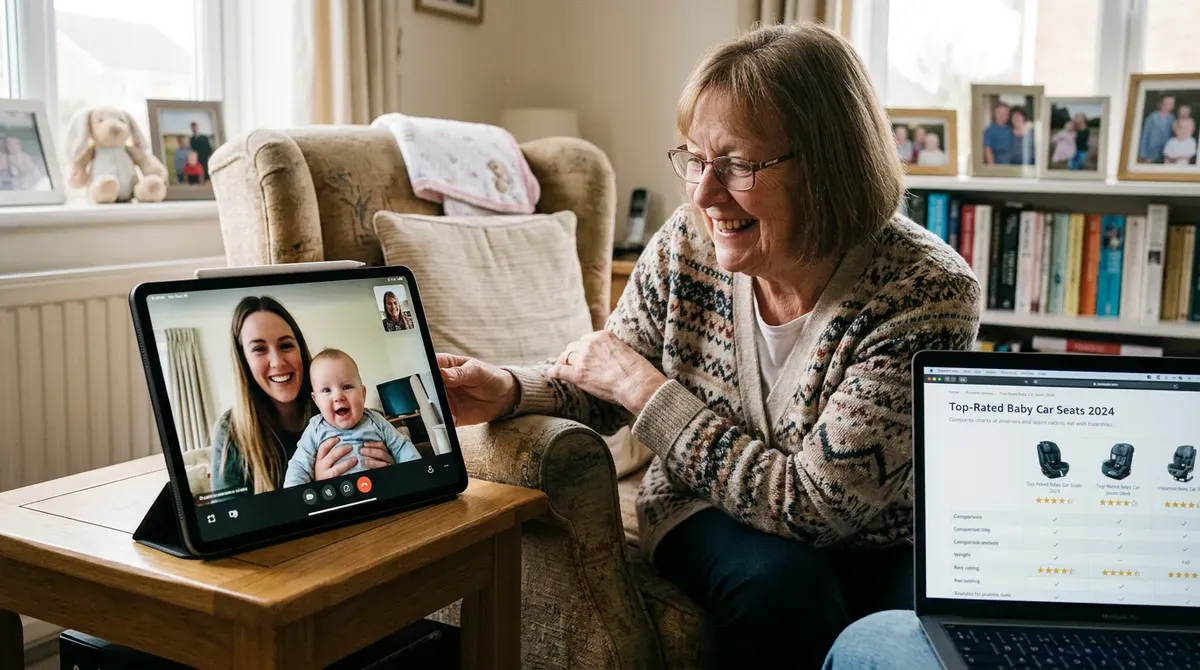
It starts quietly. A grandmother, scrolling through her tablet in a quiet moment after her morning yoga, bypasses the algorithmically suggested cruises and orthopedic shoes. Instead, she is deep in a comparative analysis of convertible car seats, cross-referencing safety ratings and fabric durability. A few clicks later, a $400 piece of essential child infrastructure is on its way not to her home, but to her daughter’s, two states away. Later that week, a grandfather redirects a portion of his investment portfolio’s returns not into a bond fund, but into a 529 college savings plan for a person who cannot yet read. These are not isolated acts of familial generosity. They are individual data points in a seismic, continent-spanning economic shift that is happening in plain sight, yet remains largely absent from strategic business planning. We have entered the age of the grandparent. A recent signal from The Economist noted that the ratio of grandparents to children is higher than at any point in human history. This is the simple, profound arithmetic of modernity: we are living longer and having fewer children. While the social and emotional implications are vast, the business and economic consequences are tectonic. This demographic inversion has created what can be called the Grandparent Dividend—a massive, intergenerational transfer of wealth, time, and resources that acts as a hidden subsidy for the modern economy and a powerful new engine of consumer demand. For decades, businesses have been obsessed with Millennials and, more recently, Gen Z. But they have been targeting the wrong budget holder. The true economic gravity in the modern family has shifted, moving quietly but decisively up a generation. To ignore this is to misread the map of the entire consumer and labor landscape.
The Grandparent Dividend: Unpacking a New Economic Force
At its core, the Grandparent Dividend represents a profound intergenerational transfer of wealth, time, and resources that has become an often-unseen pillar of the modern economy. This isn't merely about individual acts of generosity, but a systemic shift where grandparents provide a hidden subsidy, enabling their adult children to participate more fully in the workforce and consumer markets. This economic engine manifests in myriad ways, from direct financial support for education and housing to invaluable childcare that keeps parents, especially mothers, in their careers.
The strategic importance of this dividend cannot be overstated. While businesses have historically focused on younger demographics, the true economic gravity has decisively shifted. Grandparents, with their accumulated wealth and significant disposable income, are not just a market segment; they are the primary budget holders for an increasing array of family-related purchases and investments, influencing everything from daily necessities to long-term financial planning for future generations.
The New Demographics of Care
The most immediate and structurally critical impact of the Grandparent Dividend is its role as a massive, informal, and unpaid pillar of the global labor market. The modern dual-income household, the very foundation of post-war consumer capitalism, is often balanced precariously on the foundation of grandparent-provided childcare. This is not a quaint or marginal activity; it is an economic subsidy measured in the trillions of dollars annually. When a grandparent picks up a child from school, minds a sick toddler so a parent doesn’t miss a critical meeting, or provides full-time care for preschoolers, they are performing an act of love. But they are also injecting free labor into the economy that enables their adult children—particularly mothers—to remain in the workforce, earning, spending, and paying taxes. Without this support system, labor force participation rates would plummet, household disposable income would shrink, and the demand for formal, and often prohibitively expensive, childcare would skyrocket, placing immense strain on an already fragile system. This demographic reality is why the grandparent has become a critical piece of national economic infrastructure, as vital as a highway or a power grid. Businesses that benefit from a stable, productive workforce are, whether they recognize it or not, direct beneficiaries of this dividend. The strategic question for any leader is therefore not if their business relies on this subsidy, but to what extent, and what happens when that subsidy becomes less reliable as grandparents themselves choose to work longer or pursue more active, travel-filled retirements.
The Chief Purchasing Officer of the Extended Family
Beyond their role in the labor market, grandparents have become the de facto Chief Purchasing Officers of the extended family. They represent the greatest concentration of disposable income and accumulated wealth in history, and a significant portion of that financial power is being aimed directly at their grandchildren. This fundamentally re-routes the flow of consumer spending. The parent, often squeezed by mortgage payments, student debt, and the rising cost of living, is the gatekeeper of daily needs. The grandparent, however, is the investor in the child’s future and happiness. They are the buyers of the high-margin, considered purchases: the first bicycle, the funding for music lessons, the premium travel system, the contribution to a down payment. They are the primary drivers of the booming multigenerational travel industry, booking suites and villas to house the entire clan on vacation. This creates a complex new marketing challenge. To sell a child's product is no longer a simple B2C transaction aimed at a 35-year-old parent. It is a B2B2C sale, where the grandparent is the budget holder, the parent is the influencer and logistics manager, and the child is the end user. Brands that fail to grasp this three-generation dynamic will be left speaking to the wrong person. The messaging that resonates with a grandparent—emphasizing safety, durability, educational value, and legacy—is vastly different from messaging aimed at a Millennial parent, who may prioritize aesthetics, peer reviews, and digital integration. The smartest companies are already creating marketing funnels, product lines, and even retail experiences designed to cater specifically to this powerful, discerning, and emotionally-driven consumer.
The Golden Age of Obligation
This new reality is not without its deep-seated tensions. For the grandparents themselves, this era represents a profound conflict between newfound freedom and a sense of profound duty. The same medical and social advances that allow them to live longer, healthier lives also fuel dreams of a third act defined by personal growth, travel, and leisure—not just babysitting. They are the first generation of grandparents to have their own bucket lists in a meaningful way. Yet they see their own children navigating economic precarity far greater than what they faced at the same age. The result is a powerful push and pull between self-fulfillment and familial obligation. This tension is, itself, a massive market opportunity. How can services make caregiving easier and more flexible, allowing a grandparent to be a meaningful presence without sacrificing their own autonomy? Think of platforms that coordinate family schedules, travel companies that specialize in trips with built-in childcare, or financial products that facilitate targeted, easy-to-manage wealth transfers to grandchildren. There is also a psychological and emotional toll. The pressure to be the ever-present, ever-providing safety net can be immense, creating a need for community, support, and services that cater to the well-being of the caregiver. This is not the serene, rocking-chair retirement of a bygone era. It is an active, complex, and often stressful negotiation of roles, resources, and relationships. The businesses that thrive will be those that offer solutions to ease this friction, empowering grandparents to be both supportive family members and self-actualized individuals.
Beyond the Rocking Chair: The Intergenerational Future
The rise of the grandparent is not a fleeting trend. It is a structural feature of our demographic future. For business leaders, the imperative is to stop thinking about “seniors” as a monolithic, static market segment defined by decline and nostalgia. Instead, they must see the modern grandparent for what they are: a diverse, dynamic, and economically pivotal demographic that sits at the center of the family ecosystem. The strategic playbook of the future must be built around intergenerational design. This means creating products that serve multiple age groups, marketing that speaks across generational divides, and services that bridge the gap between digital natives and their analog-loving benefactors. It means recognizing that the family home may once again become a three-generation household, with profound implications for real estate, home goods, and community planning. Ultimately, the Grandparent Dividend is a call for a more sophisticated understanding of the modern consumer. The individual, atomized shopper is a fiction. We are all part of a complex web of relationships, obligations, and financial interdependencies. The companies that map this web, understand its new centers of gravity, and build their strategies accordingly will not only capture the immense value of the grandparent economy—they will define the next era of consumer capitalism. The rocking chair has been replaced by the airline seat, the investment portal, and the shopping cart. The question is who is paying attention.
“We are living in the age of the grandparent, a demographic reality that quietly subsidizes the global labor market to the tune of trillions.
“The grandparent is no longer just a caregiver; they are the Chief Purchasing Officer of the extended family, holding the budget for its most significant investments.
“The tension of our time is between the modern grandparent's desire for a self-directed retirement and their children's deep economic need for their support.
“Companies still marketing to a monolithic 'senior' demographic are ignoring the most powerful economic actor within the modern family.
Key Insights
The high ratio of grandparents to children provides a structural economic subsidy for childcare, enabling dual-income households.
Grandparent spending power directly shapes high-margin markets, including travel, education, finance, and premium children's goods.
Marketing for family-related products must now target three generations: the child (user), the parent (influencer), and the grandparent (budget holder).
The 'longevity economy' and the 'grandparent economy' are deeply intertwined, creating new market opportunities at their intersection.
A key market tension exists between grandparents' desire for self-fulfillment and their role as a crucial family safety net.
Future business growth lies in intergenerational design—creating products and services that cater to the three-generation family unit.
The financial health of Millennial and Gen X parents is directly linked to the time and monetary support of their Boomer parents.
Real estate and community planning will need to adapt to the resurgence of the multigenerational household.
A recent signal from The Economist highlights a profound demographic shift: the ratio of grandparents to children is at an all-time high, with significant consequences.