
The Algorithm of Ancestry: AI's Bid to Commercialize Memory
A new wave of startups is using artificial intelligence to preserve our most cherished family stories. But in the quest to digitize memory, are we building a living archive or a mausoleum of data?
The stories die with the people. It is an ancient, universal grief. The cadence of a grandparent’s voice, the specific, unprompted detail in a war story, the recipe for a dish that never tastes the same when replicated from a written card—these are the fragments of identity that evaporate with a final breath, leaving behind a silence filled only with imperfect, second-hand recollection. For generations, we have accepted this loss as a fundamental condition of being human. We have tried to fight it with diaries, photographs, and crackling home videos, each a static artifact capturing a sliver of a life, but never its living, breathing narrative essence. A recent signal from Black Enterprise highlights a new front in this timeless struggle. The report touches on a startup, born from a student’s personal loss, that is employing artificial intelligence to preserve oral histories. While the specifics of this single venture are not the focus, its existence points to a much larger, more profound industrial shift. We are witnessing the dawn of 'Legacy Tech,' an emerging category where AI is being deployed not just to organize the past, but to reanimate it. These platforms promise to capture, index, and even synthesize the voices and stories of our elders, creating interactive archives that defy the finality of death. This is more than a digital scrapbook; it is a fundamental rewiring of our relationship with heritage, memory, and loss. The question is no longer if we can preserve these stories, but how—and at what cost. In the mission to build a perfect, searchable past, we risk creating a future where our most human stories are mediated, edited, and owned by algorithms, transforming the sacred act of remembering into a product.
The Confluence of Need and Technology
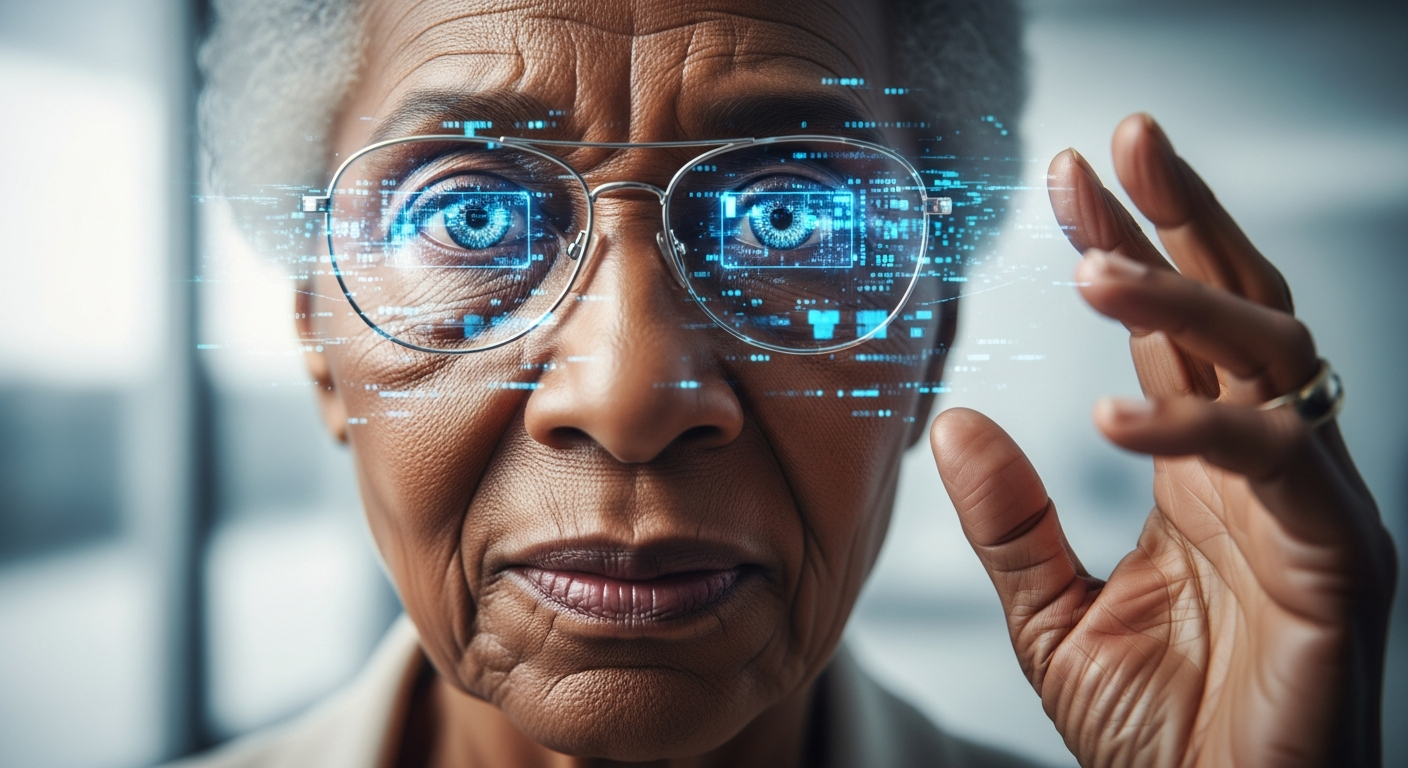
The rise of Legacy Tech is not an accident of innovation; it is the product of a powerful confluence of demographic, cultural, and technological forces. First, the technology has finally caught up to the ambition. The proliferation of sophisticated, accessible AI—particularly large language models (LLMs) and voice-synthesis technologies—provides the engine. These tools can transcribe rambling conversations with uncanny accuracy, identify key themes and people, and even clone a person’s voice to narrate their own stories posthumously. What once required a documentarian’s budget and skillset is becoming available as a consumer-grade application. Second, a profound demographic shift is underway. The Baby Boomer generation, a cohort that has defined cultural and economic trends for half a century, is entering its twilight. Their children and grandchildren, digitally native and accustomed to on-demand access to information, are confronting the imminent loss of a massive repository of lived experience. This creates a powerful, emotionally charged market demand for preservation solutions that feel more alive than a photo album. Finally, there is a growing cultural urgency, particularly within marginalized communities, to reclaim and preserve narratives that have been historically overlooked or erased. For families and communities whose histories were not written down but passed through oral tradition, the stakes are existential. The promise of an AI that can safeguard this heritage is immensely compelling, offering a tool for cultural resilience and generational connection.
From Archive to Experience: The Monetization of Memory
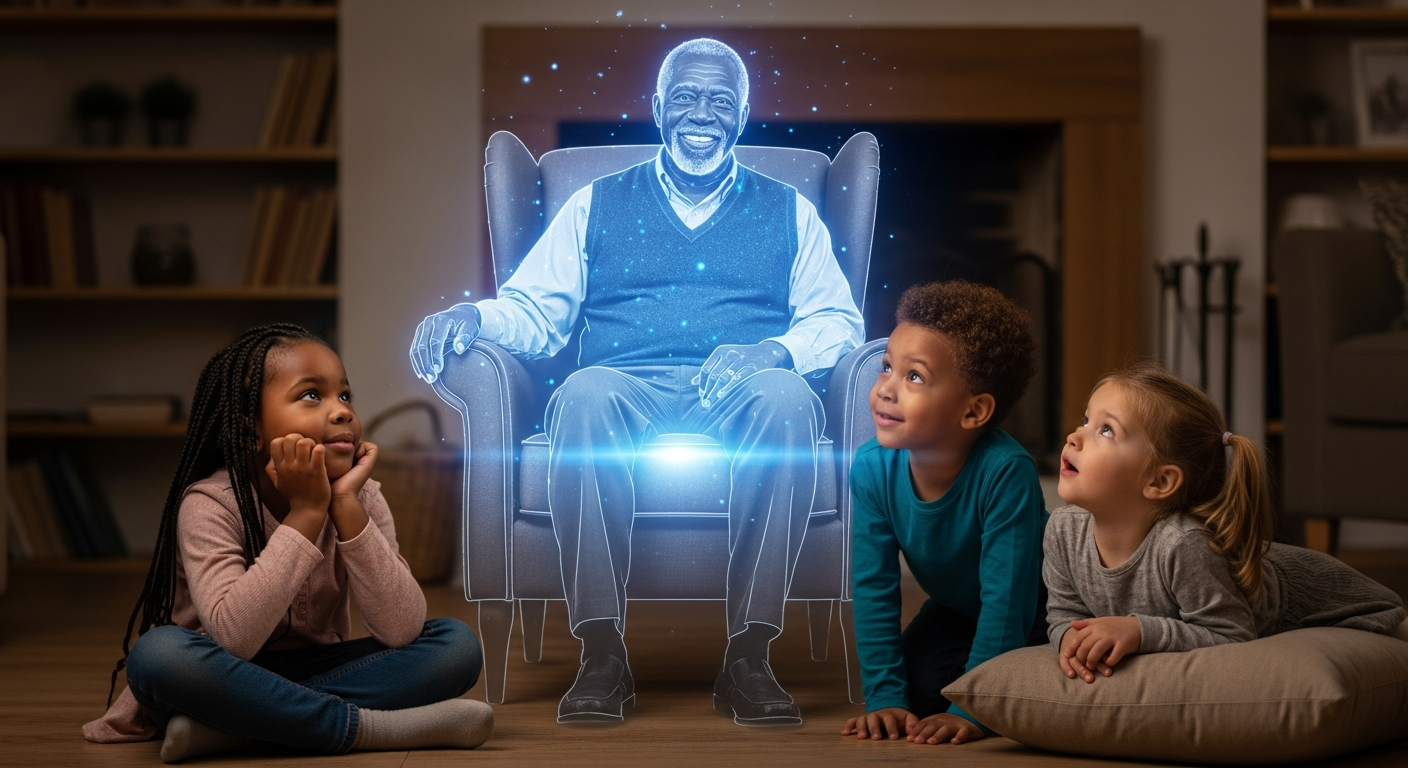
The deeper industry implication is the creation of an entirely new value proposition. This is not simply about storage. The business of memory is shifting from a static, archival model to a dynamic, experiential one. Platforms like Ancestry.com and 23andMe built billion-dollar businesses on the data of the past—census records, ship manifests, DNA markers. They sell access to historical documents. Legacy Tech, however, aims to sell access to the feeling of the past. The business models currently taking shape revolve around 'legacy-as-a-service.' This could manifest as a subscription fee for a family's living digital archive, premium one-time services for professionally curated interviews, or tiered access to AI-driven features like a 'conversational' interface that allows a user to 'ask' their great-grandmother about her life. This pivot turns memory into a renewable resource and an interactive product. It also opens the door for adjacent markets in digital memorials, AI-generated eulogies, and virtual reality experiences where users can 'sit' with a holographic representation of a loved one. The total addressable market is not just the genealogy sector; it is the multi-trillion-dollar wellness, personal development, and even entertainment industries. We are commercializing the act of remembrance, creating a new economy where the past is the ultimate content.
The Tension Between Authenticity and the Algorithm
Herein lies the central tension: the friction between authentic human memory and clean algorithmic output. Human memory is not a perfect recording. It is messy, contradictory, emotional, and filled with pauses, self-corrections, and telling omissions. The richness of an oral history is often found in these imperfections—the crack in a voice, the long silence after a difficult question. An AI, designed for efficiency and coherence, may inadvertently scrub these nuances away. In transcribing, summarizing, and indexing a life story, the algorithm becomes an editor, and its biases, however subtle, can reshape the narrative. Does it prioritize dramatic moments over quiet reflections? Does it flatten complex personalities into archetypes? Furthermore, the advent of voice synthesis creates a more profound ethical quandary. Is an AI-cloned voice reading a transcript truly a preservation of a person, or is it a digital puppet—a deepfake of the soul? This technology forces us to confront the nature of authenticity. We desire a perfect, incorruptible record of our loved ones, but the very act of achieving that perfection might strip away the humanity we sought to preserve. The market will reward platforms that feel seamless and polished, but a polished memory may be a false one. The struggle will be to design systems that preserve, rather than pave over, the beautiful, flawed texture of a real human life.
The Permanent Record and the Future of Grief
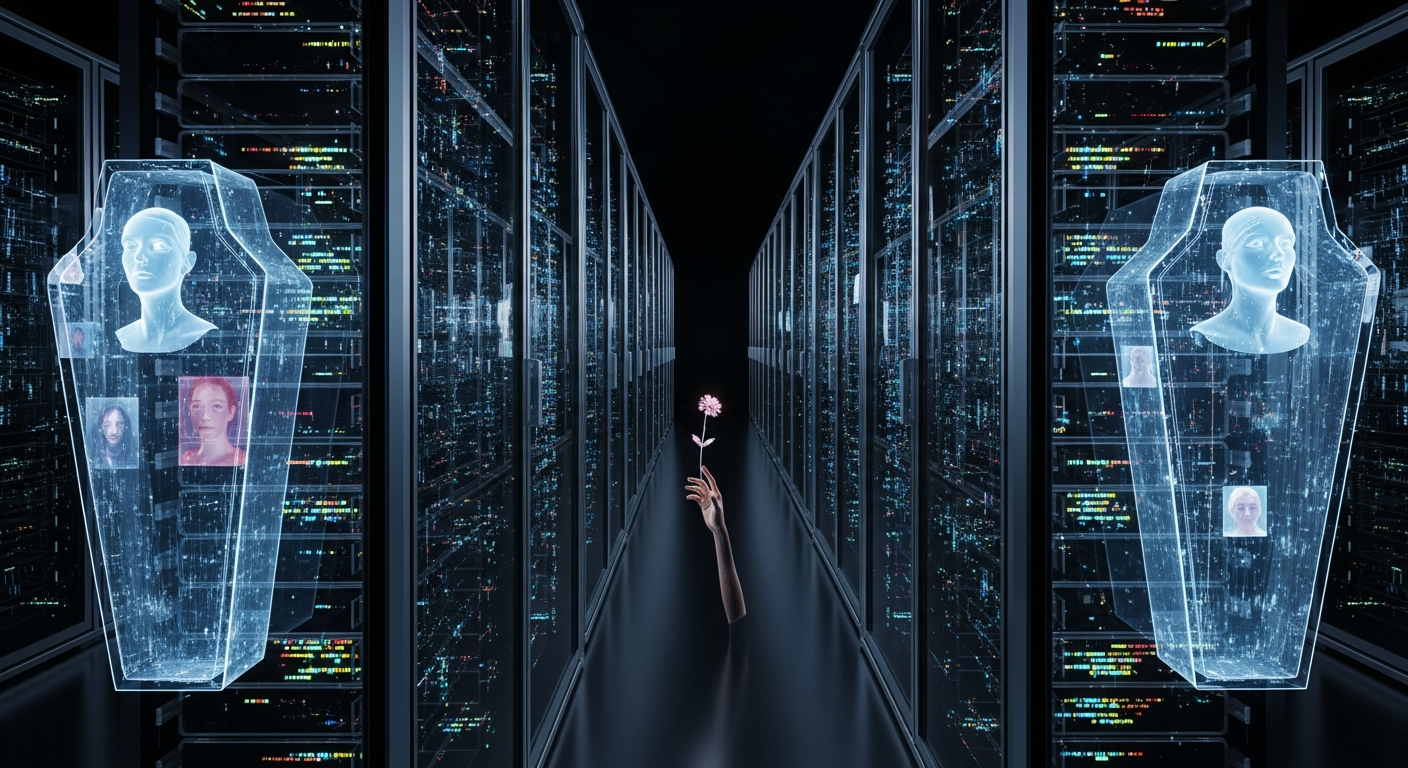
As we stand at the beginning of this technological shift, we must consider the long-term consequences. What happens to this data in 50 years? Who owns the digital ghost of your grandmother? Is it the family, or the corporation that houses the data and owns the proprietary AI? The terms of service for these emerging platforms will become as critical as any last will and testament. We are creating permanent, accessible, and potentially interactive records of private lives, and the governance of these digital souls is a challenge we are wholly unprepared for. This technology also has the potential to reshape our understanding of grief and loss. The ability to endlessly replay a loved one’s stories, or even 'interact' with their AI counterpart, could be a profound comfort. But it could also be a psychological trap, preventing the necessary and painful process of letting go. When does preservation become a refusal to accept absence? There is no easy answer. The impulse to capture the stories of those we love is a noble one. But as we build these algorithmic archives, we must proceed with caution and intention. We are not merely saving stories; we are designing the future of how we relate to our past, to our families, and to the very concept of a life well-lived. The goal should not be to build a perfect, immortal echo, but to create a tool that helps us better understand the beautifully imperfect people who came before us.
“We are witnessing the dawn of 'Legacy Tech,' an emerging category where AI is being deployed not just to organize the past, but to reanimate it.
“The business of memory is shifting from a static, archival model to a dynamic, experiential one.
“Is an AI-cloned voice reading a transcript truly a preservation of a person, or is it a deepfake of the soul?
“The terms of service for these emerging platforms will become as critical as any last will and testament.
Key Insights
AI is creating a new market category, 'Legacy Tech,' focused on the experiential preservation of personal and oral histories.
The business model is shifting from selling historical data (like Ancestry.com) to providing 'legacy-as-a-service' subscriptions.
A key market driver is the demographic shift of the aging Baby Boomer generation and the desire of their digital-native descendants to preserve their stories.
This technology introduces a core tension between the messiness of authentic human memory and the clean, coherent output of an algorithm.
Profound ethical questions arise around data ownership, the rights of the deceased to their 'digital likeness,' and the long-term psychological impact on grief.
The cultural urgency to preserve the histories of marginalized communities is a significant catalyst for the adoption of these tools.
Based on a signal from a Black Enterprise report on a startup using AI to preserve oral history.