

The Silent Architects of Distance: Fathers in the Modern Economy
The smell of sawdust and stale coffee clung to his work clothes, a scent as familiar to his children as the faint tremor in his hands after a long shift. For years, Mark’s life was a rhythm dictated by the factory whistle – a relentless cadence that pulled him from his bed before dawn and returned him long after the children were asleep. He was a father, yes, but often, he felt like a ghost haunting the edges of his own family’s life, a silent architect of distance.
This isn't a story unique to Mark. It's an echo in countless homes across the nation, where the demands of the blue collar economy carve deep fissures in family landscapes. For many fathers, the ideal of shared parenting and emotional presence collides head-on with the harsh realities of earning a living. In an era where a single house income is increasingly a nostalgic concept, the pressure to provide often becomes an all-consuming force, sidelining emotional connection for economic survival.
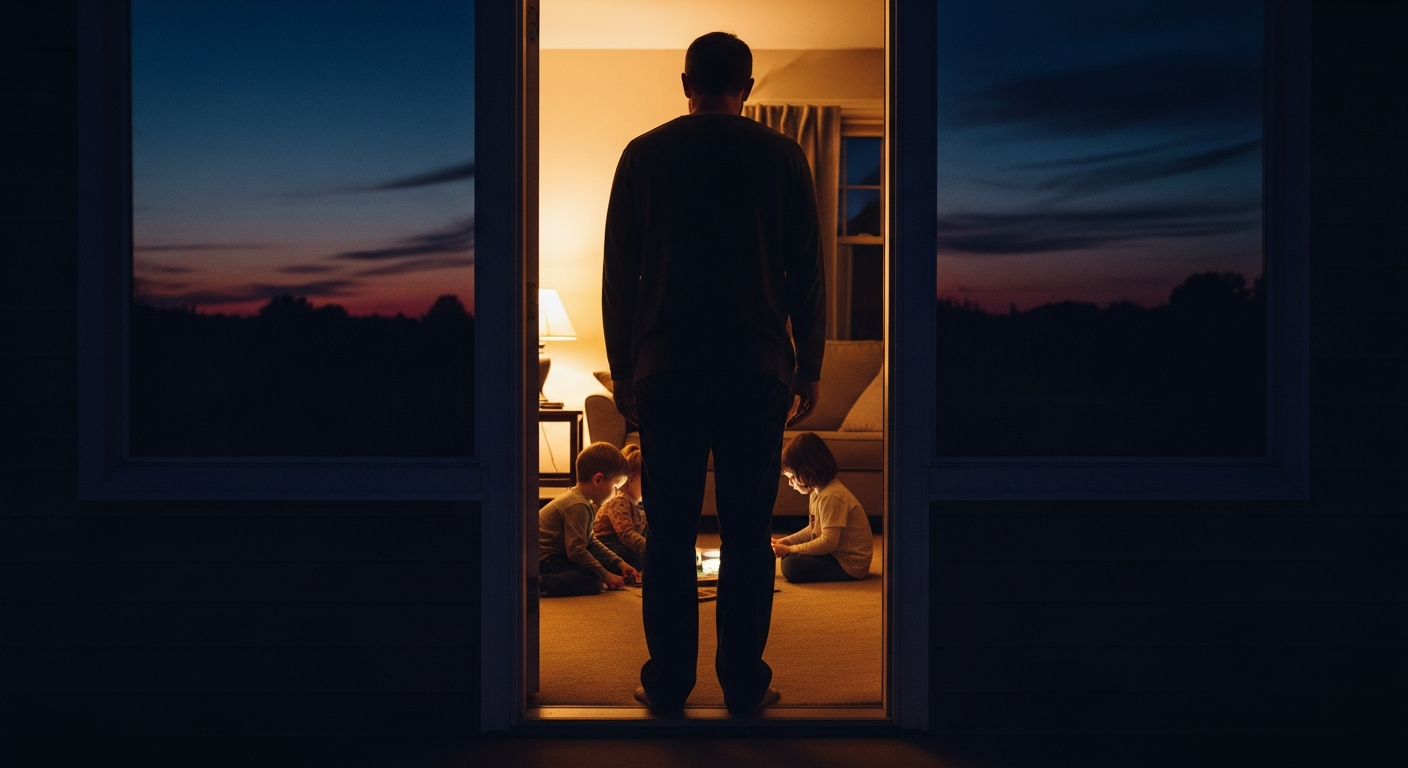
The modern labor market, with its unpredictable shifts, dwindling benefits, and the constant threat of automation, forces many men into an exhausting grind. Mark’s day began at 5 AM, a commute to the plant, ten hours on his feet, and then the slow crawl home. By the time he walked through the door, dinner was often done, homework supervised, and bedtime stories told. His contributions were tangible – the roof over their heads, the food on the table, the occasional new toy – but his presence, the intangible warmth of a father’s touch or an engaged conversation, was often absent, replaced by a profound weariness.

This relentless pursuit of provision comes at a steep cost, often invisible until it manifests as a crisis. The impact on men’s health is profound, extending far beyond the physical aches and pains of manual labor. The constant stress of being the primary breadwinner, coupled with the isolation of long hours, can lead to insidious forms of emotional burnout. Mark found himself increasingly withdrawn, his patience thin, his capacity for joy diminished. Conversations with his wife became transactional – bills, schedules, repairs – rather than intimate exchanges. His children, once eager to share their day, learned to interpret his silence as a sign of exhaustion, not disinterest.
The silent battle with depression often stalks these men. It's not the dramatic, overt sadness often depicted, but a dull, persistent ache, a feeling of being trapped in a role that demands everything while giving little back in terms of emotional fulfillment. The cultural expectation for men to be stoic, to 'man up,' only compounds the issue, stifling any cries for help.
How do you admit you’re struggling when your entire identity is built around being the unwavering pillar of strength?
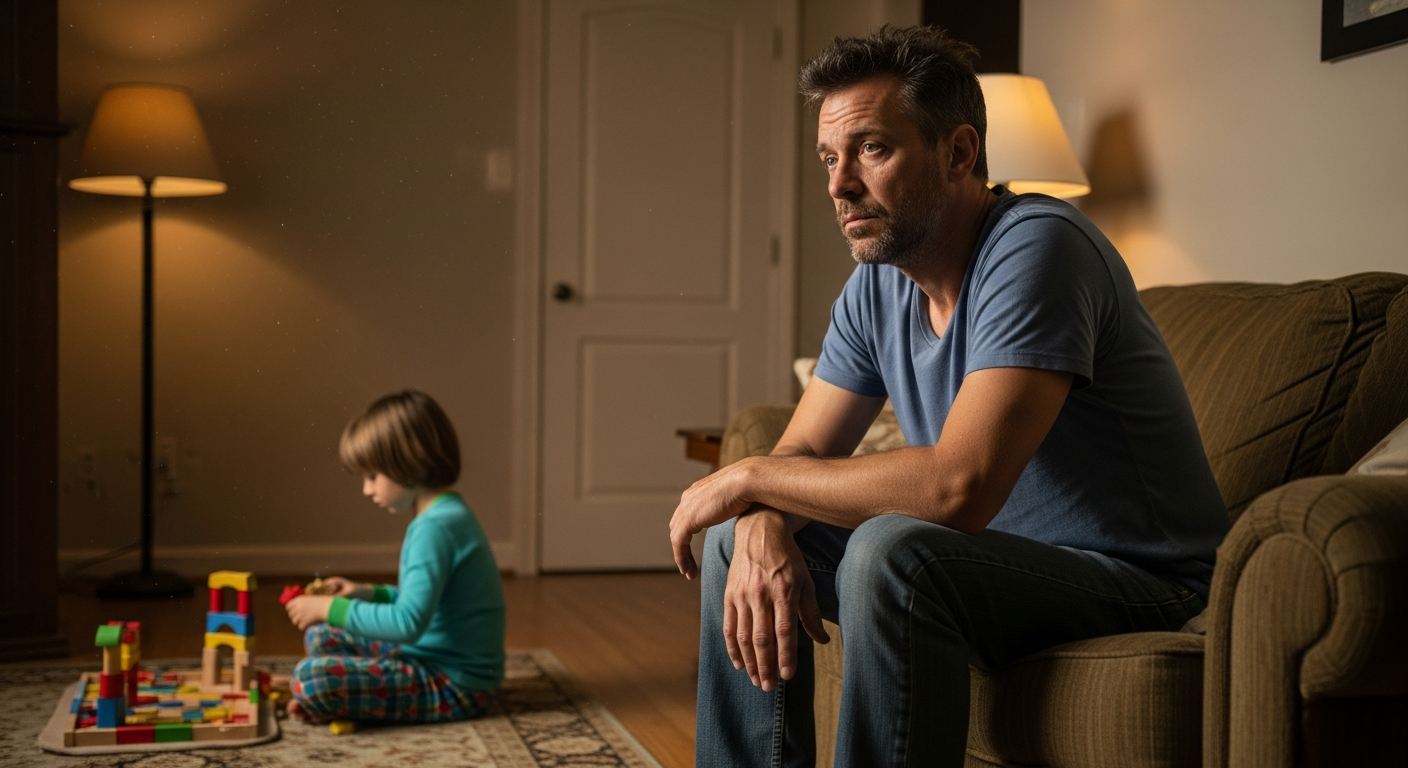
And then there’s the relentless hum of financial stress, a constant background noise that prevents true rest. Every unexpected expense, every dip in hours, every rumor of layoffs, sends a fresh wave of anxiety through the household. This stress isn't just about money; it’s about perceived failure, about the fear of not being enough, which further corrodes the emotional bandwidth available for family life. The irony is cruel: fathers work themselves to the bone to secure their children's future, only to find the present slipping away, their connection to those very children eroding.
The distance isn't malicious; it’s a byproduct of circumstance, a quiet tragedy unfolding in homes where love exists but connection falters. Children grow up with a father who is a provider, a protector, but perhaps not a confidant or a playmate. They see a man defined by his work, his exhaustion, and his unspoken burdens. And fathers, in turn, watch their children grow, knowing they missed countless moments, small victories, and quiet confessions, regretting the chasm that opened not from lack of love, but from an overwhelming sense of duty.

Breaking this cycle requires more than individual effort; it demands a societal reckoning with the pressures placed on fathers. It calls for a deeper understanding of how economic realities intertwine with mental health, and how the definition of fatherhood needs to expand beyond mere provision. For men like Mark, the path back to true connection is arduous, requiring conscious effort to reclaim lost time, to bridge the silent chasm, and to redefine what it means to be present, not just physically, but emotionally, in the lives of their children. The scent of sawdust may remain, but perhaps, with it, can come the faint, sweet smell of rediscovered connection.